
Class Sketchbook and Sketchbook Prompts
Purpose
the goal of the sketchbook is to provide unstructured time for students to pursue ideas of their own, to refine their drawing techniques, and to record their intellectual and artistic progress over time.
Instructions for Assembling Sketchbook
Paper Format
topic. name. class. date. 1 page must have this header for each sketchbook prompt.
related papers for the prompt must be sorted behind the page with the header.
a4 size. students can use copy paper but can use other papers if they want.
Bookbinding
hole punching. colored string or yarn. (staples are no fun.)
Cover Page
Cover page is last item to work on before turning in.
Sketchbook Grading
grading of the sketchbook is in alignment with the purpose of the sketchbook.
- pursue ideas of your own
- are you trying new things with materials?
- are you inventing designs of your own to try?
- refine your drawing techniques
- if you try an idea and it doesn’t look well, do you try it again with changes?
- if you try an idea and it does look well, do you try it again but even better?
- do you try to use different materials?
- do you try different ways of making pictures?
- producing a record of artistic progress
- do your responses address the prompt?
- do you consider different approaches to the prompt?
- are you setting goals for yourself?
- is the sketchbook bound together sturdily and neatly?
- did you write the headers and cover page clearly for me to identify?
minimum work. for grade 1-5, students are expected to work on the sketchbook in class for approximately 45 minutes, which is the typical length of the class period when sketchbook activities are assigned. for grades 6 and above, students are expected to devote an extra 30-60 minutes extra to the sketchbook activites as homework.
if points are deducted, make-ups require completing the missing prompt PLUS a written reflection on why it was missed/how to improve.
absences do not excuse students from the sketchbook activities. the prompts are always available online and are visible throughout the year.
Progress checks
quick stamps instead of grading. are you putting in effort in class? are you respecting your peers, me, and the classroom?
Prompts
Lost
How can we get lost? What is it like to be lost?
Abstract Expression
Can simple shapes and color look like angry, happy, or sad? Use colored squares, triangles, lines, and circles to show an emotion of your choice.
Portals
Show a door that opens to a faraway or unknown land.
Big and Small
How can the big look small? Or, how can the small look big?
The Unseen
Draw something you can feel or hear, but cannot normally see. (sound, wind, heat, or emotion)
Inside Out
What does the inside of a machine, a building, or a creature look like? Show us the inner workings that are usually hidden.
Transformation
Show one thing turning into something completely different.
Life-Cycles
In one picture, show something as it progresses through different stages of a cycle or process. (Like a seed becoming a flower, or a tadpole becoming a frog!)
Day and Night
Imagine a particular place at two different times. Draw it during the day, then draw it at night. How do the atmosphere, people, or creatures change between light and dark?
Off-Season
What does Santa Claus (or another famous fictional character or superhero) do when they are off work for the rest of the year?
Summer Vacation
What does your ideal summer vacation look like? Show the place, the weather, and what you are doing.
Mix and Match
Pick two different prompts from our collection and combine them into one artwork! How can you make two completely different ideas work together in the same picture?
Hands
How can hands tell a story?
Faces
How can a face reveal what’s in the mind?
Light and Shadow
Draw something leaving a big shadow on itself, and on the ground.
Athletics
Draw an athlete in the middle of their signature move.
Storytelling
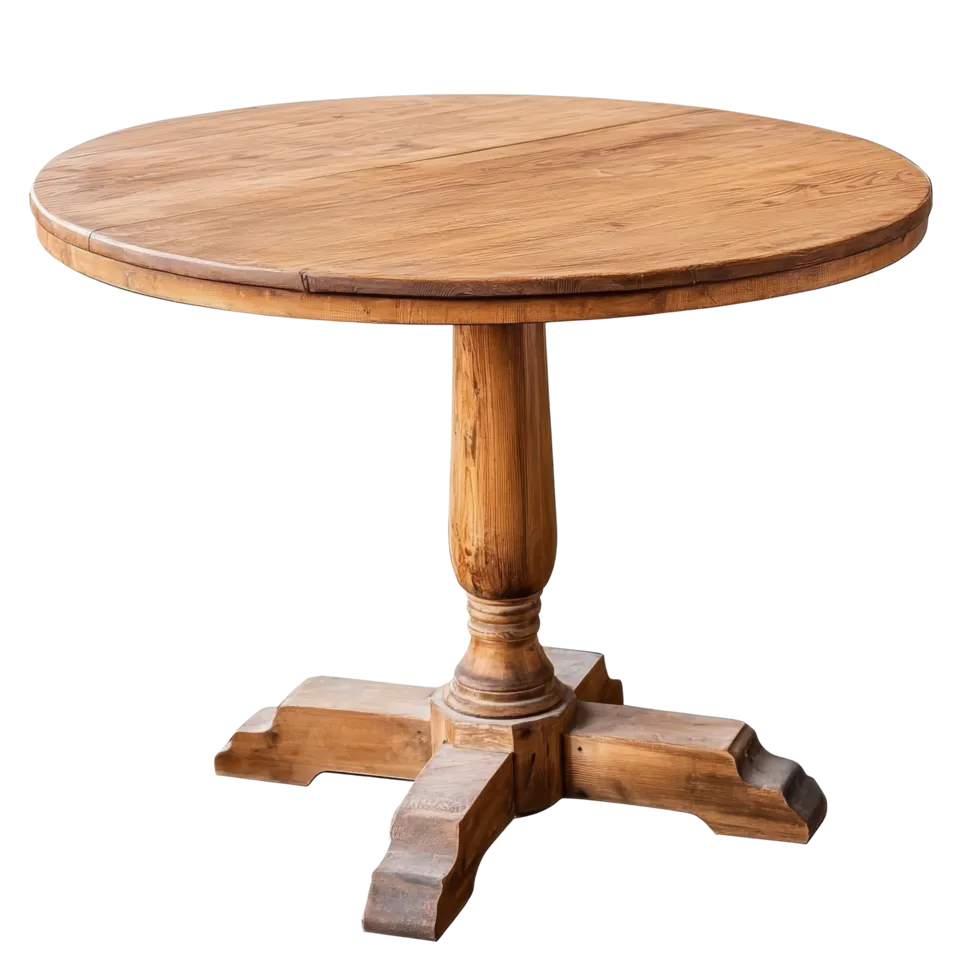 Use this table to tell a story.
Textures
Fill your page with at least 5 contrasting textures (like wood, scales, fur, or something else!)
A Day in the Wild
Draw an animal performing one of its unique activities.
Old and New
Draw two times something that we use. How does it look when it is new? How does it look when it is old? How can you tell?
Overgrowth
What would an everyday object, vehicle, or room look like if nature took it over with vines, flowers, and moss? Or if it was beaten down by wind, water, and time?
Expressive Weather
Draw a wild weather day! Fill your whole paper with swirling wind, heavy rain, or blinding snow!
Artist’s Choice
Using a new sheet of paper, revisit a prompt, material, or technique discussed in class. Push your skills further! What is something new or different that you want to try?
The Mechanical and the Natural
Combine something man-made with something natural.
The Vehicle of Tomorrow
Design a method of transportation built for the future or for an extreme environment (underwater, space, jungle).
Royal Thrones
Design a chair fit for a king (or queen!). How does the chair show what kind of ruler they are?
The Ultimate Playground
Design the greatest outdoor playground or obstacle course. Would it look different if it was a playground for students, cats, dogs, or something else?
The Ultimate Cake
Design the greatest cake for a birthday, wedding, or other special occasion. What makes it special, and who is it for?
Dragons
How would a dragon look different if it lived underwater, in the desert, in the jungle, or in some other environment? Choose an environment and design a dragon adapted specifically for its home.
Dream City
Draw a map or view of your ideal city. What special buildings or places would it have? What goes near the center, and what goes on the outside? Why?
Shoe Design
What are the parts of a shoe? How many different parts can you name? Create a shoe of your own design and label its various parts. If your shoe has special features, give it a name!